S3E1 · 39 minutes
Confessions from ChatGPT in therapy
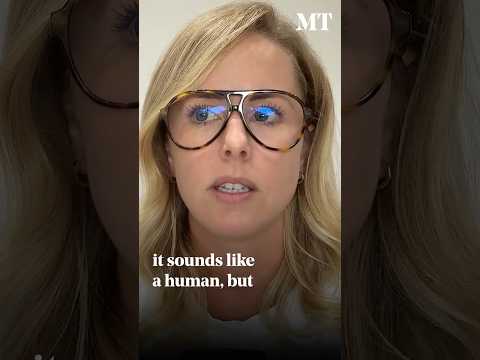
Dr Natalie Stott explores how AI is already changing therapy, the opportunities it offers and the parts of our work it cannot replace.
 ▶WATCH ON YOUTUBE
ABOUT THE EPISODE
What changes when ChatGPT enters the therapy room?
In the first episode of Season 3, Natalie looks at how clients turn to ChatGPT for emotional support and how therapists are experimenting with AI for administration, content and clinical thinking.
The conversation considers bias, safety and the limits of AI with emotion, nuance and nonverbal cues. Natalie also demonstrates ways to use ChatGPT for case formulation while keeping human judgement in charge.
- Why clients are using AI between sessions
- Where AI can help therapists with practical tasks
- The risks of over-reliance, bias and deskilling
- Using AI without losing the human relationship
Where might AI be useful without replacing clinical judgement?
Natalie explores how therapists are experimenting with AI for administration, content and clinical thinking. These uses are not presented as a transfer of professional responsibility: the therapist still needs to decide what information is appropriate to enter, check the output and remain accountable for the work.
Case formulation is included as an example of AI supporting thought rather than supplying a final clinical answer. A generated response may prompt another perspective, but it cannot hold the full context, relationship or responsibility that belongs to the therapist.
What changes when clients use ChatGPT between sessions?
Clients may turn to AI for emotional support outside therapy. This creates questions about what the tool offers, what the client is seeking and how its responses may affect the work, without assuming that every use is either helpful or harmful.
The episode considers bias, safety, over-reliance and deskilling alongside AI's limits with emotion, nuance and nonverbal cues. These limitations make the human relationship and careful professional judgement central rather than optional extras.
Related listening: For a practical foundation on choosing appropriate AI tasks, privacy, consent and professional judgement, listen to How to Use AI in Your Therapy Practice.
STAY IN THE LOOP
Don’t miss a new episode
Join the Mastering Therapy podcast email list.
We’ll email you about new Mastering Therapy podcast episodes. You can unsubscribe at any time.
Listen in your usual app
Choose where to listen or watch the full conversation.
The Mastering Therapy podcast is for informational and educational purposes and is intended for qualified professionals.