S1E7 · 33 MINUTES
How to use AI in your therapy practice
A grounded look at how AI can support therapy practice — from notes and writing to ideas and feedback — while keeping privacy, consent and clinical judgement in view.
 ▶WATCH ON YOUTUBE
ABOUT THE EPISODE
Where can AI genuinely help in therapy practice?
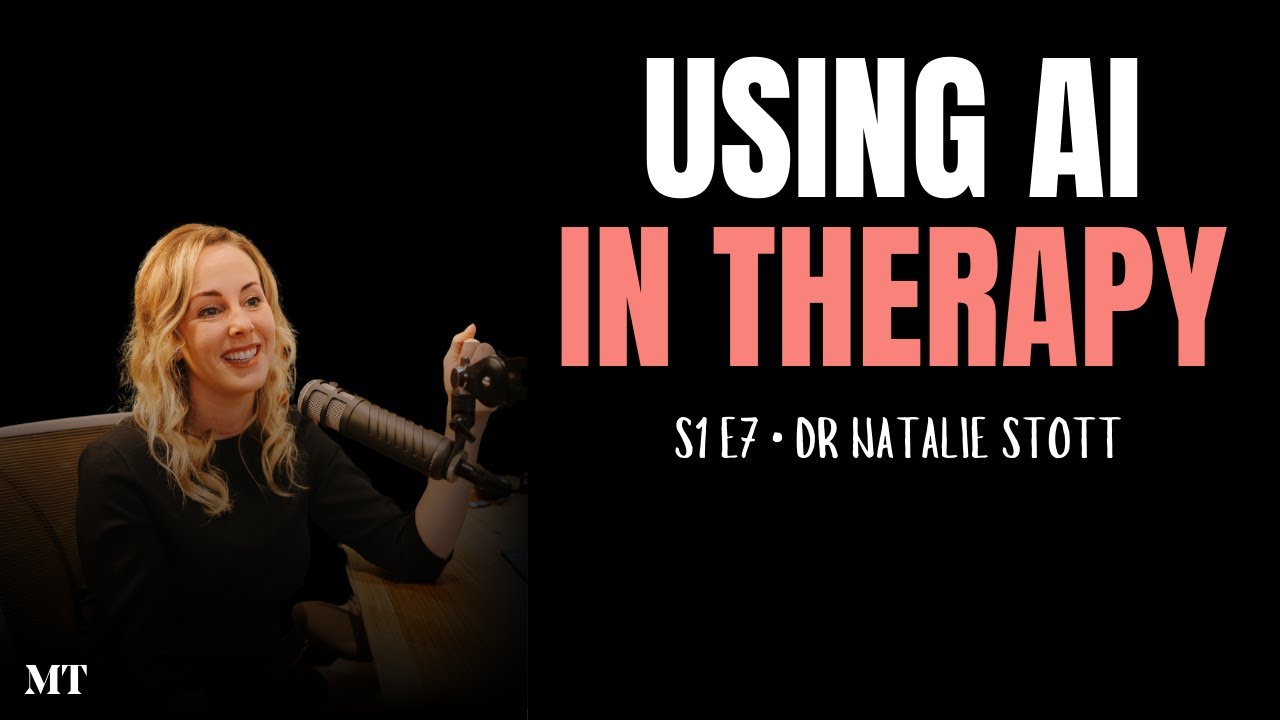
Natalie shares what she learned through 18 months of integrating AI into her own workflow, including note-taking, writing, interpreting questionnaire data, generating ideas and reflecting on sessions.
The episode also considers GDPR, client consent and the importance of using AI as a support tool rather than a replacement for human judgement or connection.
How can therapists use AI more safely in practice?
Start with the task, rather than the tool. AI may be useful for drafting, organising ideas, making sense of questionnaire data or reflecting on your own work. The level of risk changes when the material includes client information, session recordings, notes or health data.
Before using an AI tool, consider:
- Whether AI is necessary for that particular task
- What information the tool receives and whether it could identify a client
- The provider’s privacy terms, data retention, storage, use of data for training and subprocessors
- What information or consent the client may need
- How you will check the output for errors, omissions and overconfidence
- Whether the final clinical or professional decision clearly remains yours
AI can support some of the work around therapy, but it should not replace formulation, professional judgement, supervision or the therapeutic relationship.
Requirements vary between tools, settings and professional obligations. A general podcast episode cannot confirm that a particular product or workflow is appropriate or compliant for your practice.
Related listening: Continue with Using AI in Your Therapy Practice, Part 2 for a deeper look at prompting, reflective practice, supervision and carefully bounded between-session tools.
SHOW NOTES
What we cover
STAY IN THE LOOP
Don’t miss a new episode
Join the Mastering Therapy podcast email list.
We’ll email you about new Mastering Therapy podcast episodes. You can unsubscribe at any time.
Choose how you want to listen
Listen in your usual podcast app, or watch the full episode on YouTube.
The Mastering Therapy podcast is for informational and educational purposes and is intended for qualified professionals.