SEASON 4 · EPISODE 4 · 33 min 29 seconds
Therapist drift: skill or laziness?
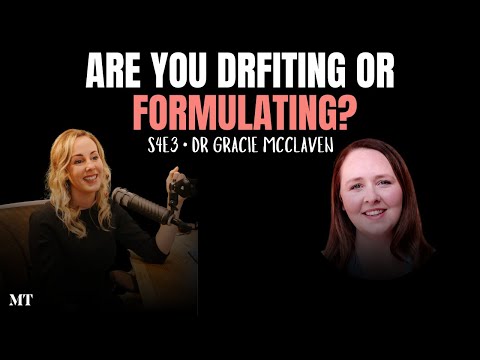
When is moving between therapy models thoughtful formulation, and when is it drift? Natalie and Gracie discuss protocols, clinical intuition, the therapy relationship and finding your own style.
 ▶WATCH ON YOUTUBE
ABOUT THE EPISODE
What we cover
When is moving between therapy models thoughtful formulation, and when is it drift? Natalie and Gracie discuss protocols, clinical intuition, the therapy relationship and finding your own style.
- Blending models in complex clinical work
- Formulation and therapist intuition
- Feedback, supervision and knowing whether the work helps
When is moving between therapy models purposeful?
Complex clinical work may not fit neatly inside one protocol. Dr Gracie McLaven and Natalie explore how therapists can draw on more than one model while keeping the work connected to a formulation, rather than changing direction only because a session feels difficult.
Clinical intuition can contribute useful information, but it does not automatically provide the rationale. The therapist still needs to consider what they understand about the problem, why a particular response fits and whether the client can make sense of the approach being taken.
How can therapists tell whether flexibility is helping?
The therapy relationship and the therapist's sense of the room matter, but they are not the only sources of information. Feedback and supervision can help test whether an adaptation is moving the work forward or whether therapist drift is making the direction less clear.
Finding an individual therapeutic style therefore involves both flexibility and accountability. The episode considers how therapists can develop their judgement without treating either strict adherence or personal preference as the answer in every case.
Related listening: For practical ways to use supervision more intentionally, listen to How to Get the Most Out of Supervision, covering preparation, contracts, reflection, recordings and role play.
SHOW NOTES
In this conversation
STAY IN THE LOOP
Don’t miss a new episode
Join the Mastering Therapy podcast email list.
We’ll email you about new Mastering Therapy podcast episodes. You can unsubscribe at any time.
Listen in your usual app
Choose where to listen or watch the full conversation.
The Mastering Therapy podcast is for informational and educational purposes and is intended for qualified professionals.