S3E2 · 47 minutes
A therapist’s guide to ADHD
Dr Michaela Thomas shares practical, neuroaffirming ways to support clients with ADHD.
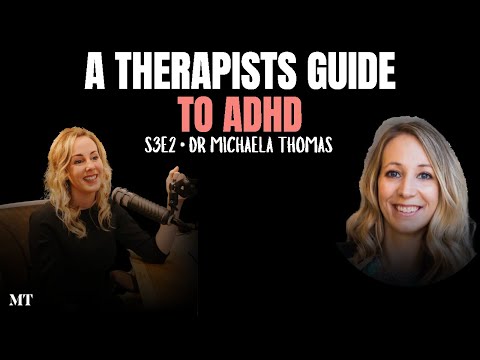 ▶WATCH ON YOUTUBE
ABOUT THE EPISODE
How can therapy better support people with ADHD?
Natalie and Michaela discuss the complexity of ADHD diagnosis, masking and stigma around assessment. They explore the language therapists use and ways to make therapy feel safer for neurodivergent clients.
The episode also covers adapting mindfulness, working with special interests and metaphors, and continuing to learn from clients about what helps.
- Understanding ADHD beyond stereotypes
- Neuroaffirmative language and the impact of masking
- Assessment, medication and support
- Adapting mindfulness and therapy tools
How can neuroaffirming language change the therapy experience?
Dr Michaela Thomas and Natalie discuss ADHD beyond stereotypes, including masking, diagnosis and the stigma that can surround assessment. The language a therapist uses can affect whether a client feels understood or expected to explain and defend their experience.
A neuroaffirming stance involves continuing to learn from clients rather than assuming that one description of ADHD fits everyone. It also allows discussion of assessment, medication and support without treating diagnosis as either the whole person or an irrelevant detail.
How might familiar therapy tools need adapting?
The episode considers adapting mindfulness and using metaphors and special interests. A familiar intervention may become more workable when its pace, language or format is shaped around how the client attends, processes and engages.
Adaptation is not simply making a technique easier. It is a collaborative question about what creates safety and access for this client, with enough flexibility to change course when a standard exercise increases pressure or does not connect.
Related listening: Continue with Beyond Diagnosis: Neurodiversity-Affirming Practice for a wider discussion of late diagnosis, neuroaffirming language and adapting therapy and assessment.
SHOW NOTES
What we cover
STAY IN THE LOOP
Don’t miss a new episode
Join the Mastering Therapy podcast email list.
We’ll email you about new Mastering Therapy podcast episodes. You can unsubscribe at any time.
Listen in your usual app
Choose where to listen or watch the full conversation.
The Mastering Therapy podcast is for informational and educational purposes and is intended for qualified professionals.