S5E5 · 32 MINUTES
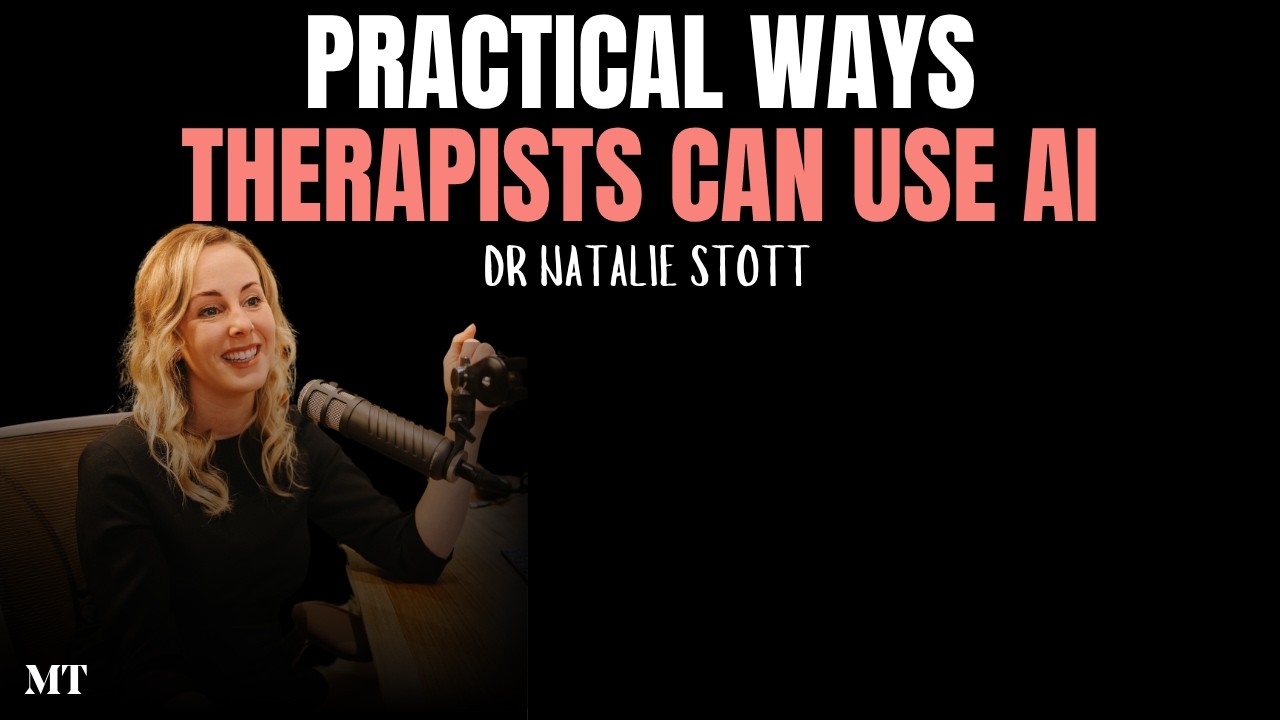
Practical AI for therapists: green, amber and red uses
A practical framework for deciding where AI may help, where it needs more care and where it should stay out of clinical work.
 ▶WATCH ON YOUTUBE
ABOUT THE EPISODE
Where can AI genuinely help therapists?
In this solo episode, Natalie introduces a green, amber and red framework for thinking about AI in therapy work. The aim is not to label every tool as simply good or bad, but to make more thoughtful decisions based on what information is involved, how a tool is configured and how much human judgement remains in the process.
The episode also explains the differences between consumer chatbots, clinical scribes, agents and AI builders, with practical examples of how therapists might use them.
- Green uses for lower-risk admin, education and idea development
- Amber uses that need closer scrutiny, safeguards and human review
- Red uses where sensitive information or clinical judgement should not be handed over
- The differences between chatbots, scribes, agents and AI builders
- Why permission, configuration and professional responsibility still matter
A framework, not a shortcut
The traffic-light approach offers a practical starting point for asking better questions. What data does the tool receive? Where might that data go? Who reviews the output? What could happen if it is wrong?
Examples include supporting psychoeducation, creating more accessible worksheets, rehearsing explanations, preparing for appraisal, improving a website and carrying out research or marketing tasks. The key is to match the tool and its access to the level of risk involved.
Keep a human in the loop
AI can support thinking and reduce friction, but it does not remove a therapist’s professional responsibility. Clinical decisions, safeguarding and the handling of sensitive client information still require careful human judgement.
SHOW NOTES
What we cover
STAY IN THE LOOP
Don’t miss a new episode
Join the Mastering Therapy podcast email list.
We’ll email you about new Mastering Therapy podcast episodes. You can unsubscribe at any time.
Choose how you want to listen
Listen in your usual podcast app, or watch the full episode on YouTube.
The Mastering Therapy podcast is for informational and educational purposes and is intended for qualified professionals.